Mitigating Human-Wildlife Conflicts in Buffer Zones
Wildlife corridors cannot function as isolated pipelines; they intersect working agricultural lands, ranches, and rural communities. Lasting conservation requires practical non-lethal solutions that preserve human livelihoods.
The Buffer Interface Problem
The border where wilderness reserves meet agricultural grazing leases is the primary flashpoint for carnivore-human conflict. When livestock suffer depredation, the immediate community reaction is often retaliatory lethal control, which undermines years of regional apex predator recovery.
Empirical conservation demonstrates that lethal culling often destabilizes pack structure. Killing an alpha breeding pair frequently scatters inexperienced younger wolves, who turn to vulnerable domestic calves rather than wild ungulates. Non-lethal spatial deterrence keeps packs intact while instilling behavioral avoidance of livestock.
Non-Lethal Defense Strategies
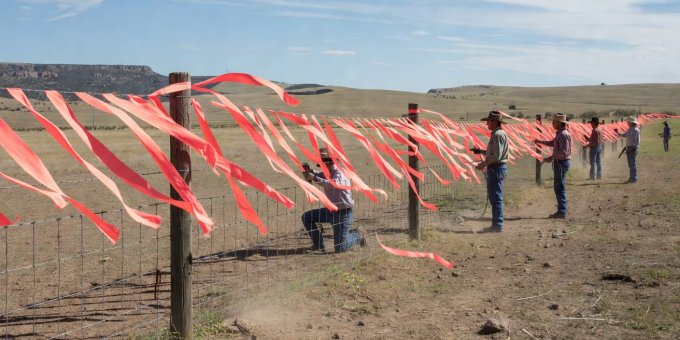
- Turbo-Fladry Arrays: Bright red fabric flags hung at 50 cm intervals on an electrified fence wire carry 6,000 volts. The visual movement combined with electric shock provides an effective psychological and physical barrier for wild canids.
- Livestock Protection Dogs (LPDs): Ancient guardian breeds (such as Kangal, Maremma, and Anatolian Shepherd) integrated with herds effectively deter predators through defensive presence and vigilance rather than overt conflict.
- Night Foxlights: Irregular computer-controlled light flashes mimic human flashlight patrols, preventing habituation by nocturnal predators around birthing pastures.
| Methodology | Capital Cost | Maintenance Need | Depredation Reduction |
|---|---|---|---|
| Turbo-Fladry Installation | Moderate | Weekly vegetation clearance | 85% – 92% |
| Certified Guardian Canines | High (Initial training) | Daily feeding & veterinary care | 78% – 94% |
| Randomized Foxlight Systems | Low | Monthly battery checks | 60% – 70% (Short term) |
| Carcass Removal Protocol | Low | Continuous farm sanitation | 45% – 65% |
Automated Geofence Warning Networks
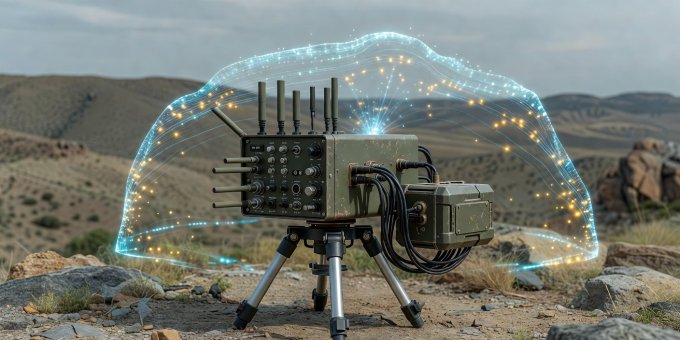
Deploying real-time satellite telemetry collars on problem carnivores allows conservation units to establish digital boundaries around grazing zones. When a radio-collared individual crosses this invisible line, solar-powered cellular field units dispatch automatic SMS alerts to ranchers.
This gives agricultural operators the opportunity to herd stock into secure night enclosures before an encounter occurs, virtually eliminating unexpected livestock loss.
Compensation Schemes and Community Co-Management
Rapid, evidence-based verification of depredation losses, paired with fair market value compensation, prevents local resentment against wildlife sanctuaries. Conservation works best when landowners are recognized and supported as active wildlife corridor stewards.