The Ecological Ripple Effect of Apex Predator Reintroduction
When an apex predator is systematically extirpated from a landscape, the consequences reverberate far beyond their immediate prey species. We observe the profound revitalization triggered by returning keystone hunters.
Top-Down Trophic Regulation Explained
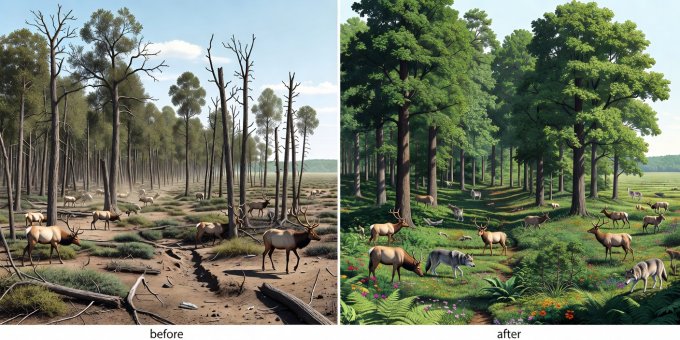
In an ecosystem deprived of apex predators, herbivorous populations expand unimpeded until density-dependent factors such as starvation or viral outbreaks intervene. This hyper-abundant herbivore state results in intense overgrazing of tender riparian shoots, such as willow (Salix) and trembling aspen (Populus tremuloides).
The physical return of the wolf, cougar, or lynx establishes what behavioral ecologists term the "landscape of fear." Prey species avoid stagnant congregation in low-visibility ravines and river valleys, altering where, when, and for how long they browse.
Riverbank Stabilization and Hydrological Recovery
As browsing pressure lifts from riverbanks, root systems expand and strengthen alluvial soil structures. Stream bank erosion diminishes, river channels become deeper and narrower, and water temperatures remain cooler beneath regenerated tree shades.
This allows Eurasian and North American beavers (Castor) to establish enduring colonies. Beavers, themselves keystone ecosystem engineers, build dams that raise local water tables, create wetlands, buffer regions against wildfires, and generate deep pools where cold-water fish and amphibians thrive during summer droughts.
The Mesopredator Release Suppression
Apex predators naturally control mid-sized opportunistic hunters. Without apex carnivores, mesopredator numbers escalate sharply, decimating ground-nesting gamebirds, reptiles, and small burrowing mammals.
- Canid Interaction: Wolf presence dampens domestic and wild coyote populations, reducing predation pressure on vulnerable pronghorn fawns.
- Felid Dynamics: Lynx competition restricts wild feral cat populations in high-elevation montane zones, safeguarding rare ptarmigan and vole colonies.
- Scavenger Guilds: Year-round carrion left by pack hunts sustains raven, bald eagle, wolverine, and beetle populations during lean winter months.
Genetic Diversification Protocols
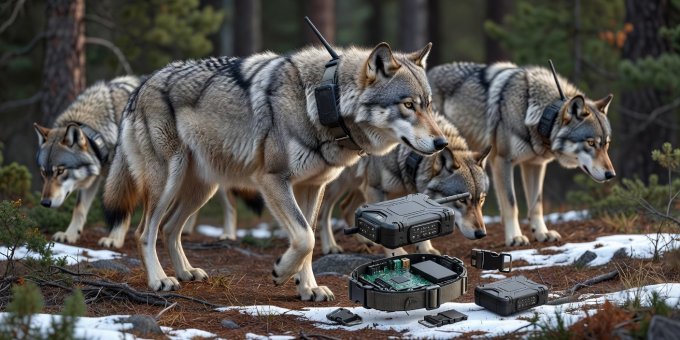
Reintroduction initiatives must not deploy single family clans. Our telemetry monitoring highlights the need for heterogeneous origin stocks to ensure that reintroduced metapopulations maintain genetic vigor. Telemetry GPS collars record spatial dispersal, monitoring whether newly formed packs successfully cross human infrastructure to integrate with neighboring regional groups.