Reconnecting Fragmented Forests for Large Mammals
When expanses of continuous primary woodland are reduced into disconnected fragments, large-ranging mammals suffer severe demographic constriction, genetic stagnation, and heightened vulnerability to localized extinction events.
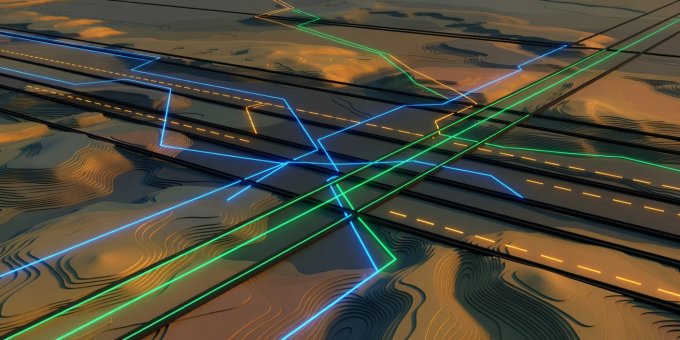
The Mechanics of Landscape Fragmentation
The construction of multilane transport routes, high-density residential developments, and commercial agriculture transforms cohesive wilderness matrices into an archipelago of micro-refugia. For apex carnivores and migratory ungulates such as the grizzly bear (Ursus arctos), gray wolf (Canis lupus), and elk (Cervus canadensis), an arbitrary fence line or highway can mean genetic severance.
Over successive generations, small, isolated breeding populations exhibit inbreeding depression, reduced litter sizes, and poor pathogen resistance. Ecological engineering must pivot from merely safeguarding existing static parcels toward dynamic connectivity: building structural conduits that restore landscape permeability.
Critical Width Thresholds and Edge Effects
A wildlife corridor is not merely an arbitrary strip of trees. If a corridor is excessively narrow, edge effects—including invasive weed encroachment, microclimate desiccation, light pollution, and domestic pet incursions—compromise its interior core habitat.
- Narrow Linear Corridors (< 50 meters): Functional only for small rodents, seed dispersal by passerine birds, and disturbance-tolerant mesopredators. High risk of acting as predation traps.
- Intermediate Stepping Stones (50 to 250 meters): Viable for meso-carnivores (bobcats, fishers) and nocturnal ungulate passage, provided external light barriers exist.
- Macro Continental Pathways (> 500 meters): Necessary for large apex predators. Accommodates breeding, resting, and foraging within the transit matrix without behavioral distress.
| Corridor Configuration | Minimum Width | Target Species | Primary Limiting Factor |
|---|---|---|---|
| Engineered Wildlife Overpass | 60 m | Elk, Grizzly Bear, Wolf | Acoustic shielding from motorway traffic |
| Riparian Stream Buffer | 180 m | River Otter, Black Bear, Songbirds | Agricultural runoff and cattle exclusion |
| Highland Ridgeline Saddle | 400 m | Cougar, Wolverine, Lynx | Off-road vehicle traffic and human intrusion |
| Canopy Rope Bridge (Arboreal) | 1.5 m (width) | Marten, Flying Squirrels, Gliders | Structural rope degradation & storm resilience |
Structural Overpass vs. Underpass Engineering
Species demonstrate distinct psychological adaptations to engineered crossings. Prey animals like elk and bighorn sheep strongly prefer open overpasses with expansive horizons that allow predator scanning. Conversely, forest-dwelling ambush carnivores and riparian-adapted species frequently utilize vegetated underpasses or culverts lined with natural river stones and dense brush.
Installing high-tensile guide fences along 5 to 10 kilometers of highway flanking both sides of the crossing is imperative. Without directional fencing, animals invariably attempt hazardous grade-level crossings. Long-term monitoring confirms overpass structures equipped with dirt substrate, living spruce saplings, and sound-dampening earthen berms lower animal-vehicle collisions by up to 96%.